The Pod Test: How Birzulis Engineers Education Flexibility Without Over-Engineering
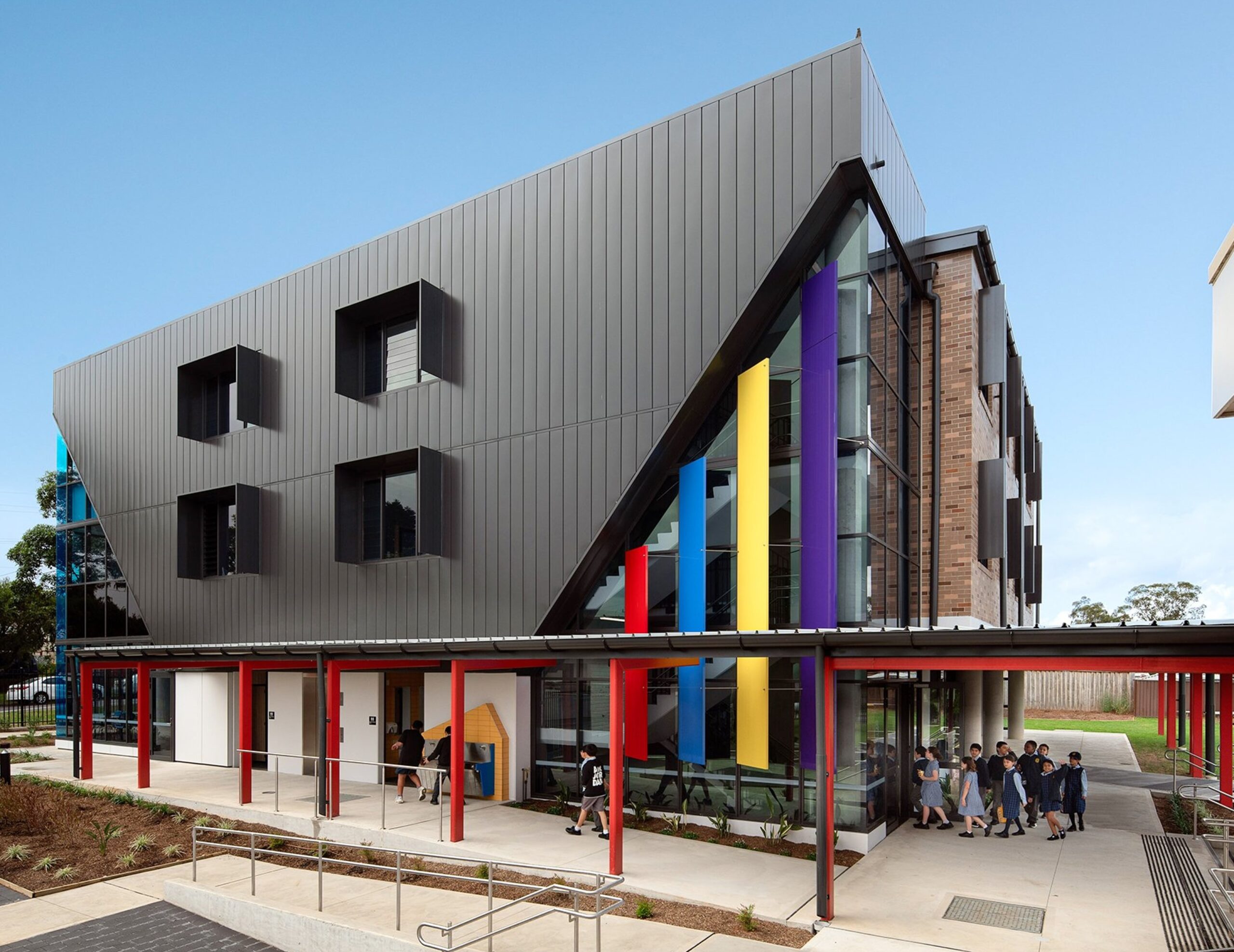
An architect presents plans for a new school. The brief mentions adaptability: spaces that shift as the school grows, rooms that might reconfigure later.
The engineering question: which adaptability is worth building for, and where does permanent structure deliver better value?
Most engineers design for every scenario. Maximum spans. Structural capacity everywhere. It satisfies the brief and covers liability but often costs more than necessary.
Real efficiency means figuring out where to engineer adaptability and where permanent structure works better.
When Engineers Own the Whole Project
In traditional project structures, engineers rotate through phases:
- The person designing at concept stage isn’t necessarily on-site during construction
- They won’t see how decisions play out over time
- Feedback loops stay limited
Small, dedicated teams operate differently. At Birzulis, pods of three to five people own projects from brief through construction. Same engineers at concept. Same engineers on site. Same team remembering lessons when similar projects come through.
That continuity changes decisions. Engineers who’ll watch their structural choices play out think differently about where adaptability matters. They evaluate options, recommend against over-engineering, and advocate for adaptability when it genuinely adds value.
Smaller teams test structural options faster. The people discussing the brief Monday can present refined alternatives by Thursday. More iterations mean better-resolved buildings.
Pods also build knowledge. The team working on a client’s second school brings learning from the first. Patterns get recognised. Each project informs the next.
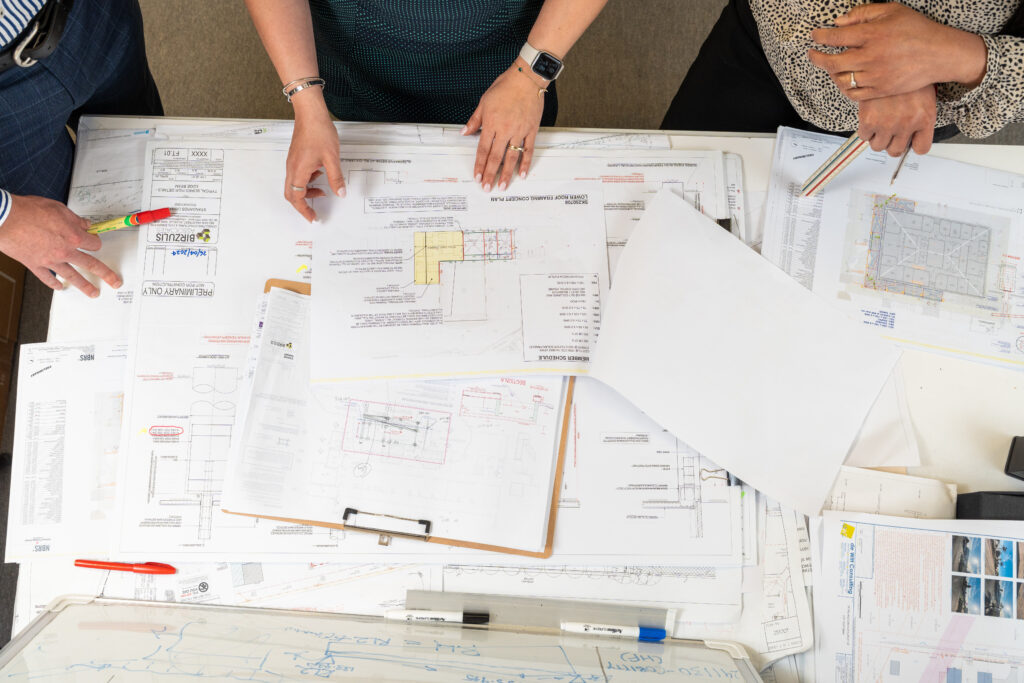
Bethel Christian School: Continuity Through Design Changes
When the architect and client requested modifications partway through, the pod were able to revise drawings efficiently. Because the team understood the structural requirements from the beginning, there were no handoff delays. No learning curves. Just smoother coordination with the architect and consultants throughout modifications.
Requirements stayed consistent through revisions – continuity that prevents coordination gaps when context shifts between different engineering teams.
This matters in education projects, where clients’ needs are often clarified during design. A team that understands the whole project adapts faster than separate engineers handling different phases.
What Efficient Engineering Partnerships Look Like
When selecting engineers for education projects, the collaboration approach matters as much as technical capability.
Strong partnerships start with engineers asking how the school operates. They discuss options and show previous projects where they recommended a simpler yet more efficient structure.
The same team stays involved from concept through construction. Small teams build an understanding of project requirements and maintain it throughout delivery. They coordinate from the same knowledge base, preventing information loss in handoffs.
We believe that schools need engineers who balance adaptability with permanent quality, understand operational realities alongside codes, and stay accountable throughout delivery. And that is why our efficient pod system works so well to create schools that architects, builders and educators love.